Rubber punching
Rubber punching is suitable for the production of robust sealing and protective solutions with high dimensional stability. Krückemeyer manufactures rubber punching parts individually – also combined with adhesive coatings.
Gummi stanzen individuell
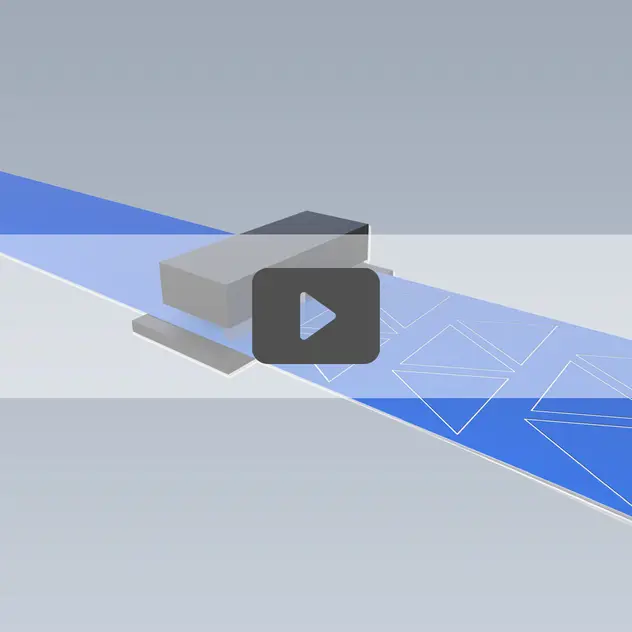
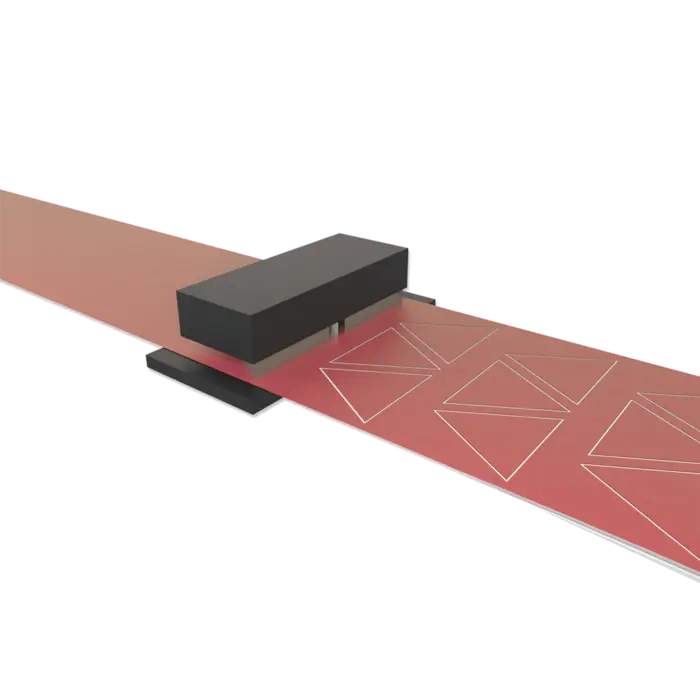
| Technique | Punching using a band-steel cutting tool |
| Working width | up to 600 mm |
| Thickness | material-dependent |
| Tolerances | ±0.5 mm (material-dependent) |
Using ram punching, we shape rubber materials into the desired form. Whether this is possible depends on the material thickness and the respective Shore hardness.
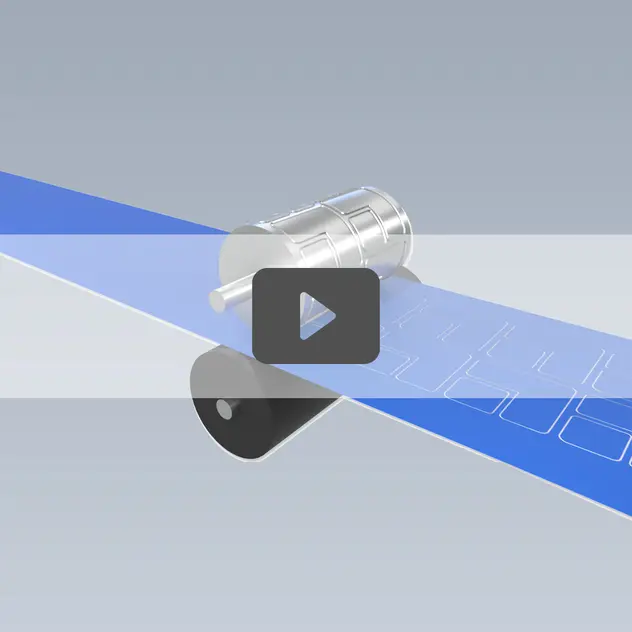
Technique<\/strong><\/td>| Continuous punching using a punching-cylinder tool<\/?td><\/tr> | Working width<\/strong><\/td> | up to 250 mm<\/?td><\/tr> | Thickness<\/strong><\/td> | up to 2 mm (material-dependent)<\/?td><\/tr> | Tolerances<\/strong><\/td> | |
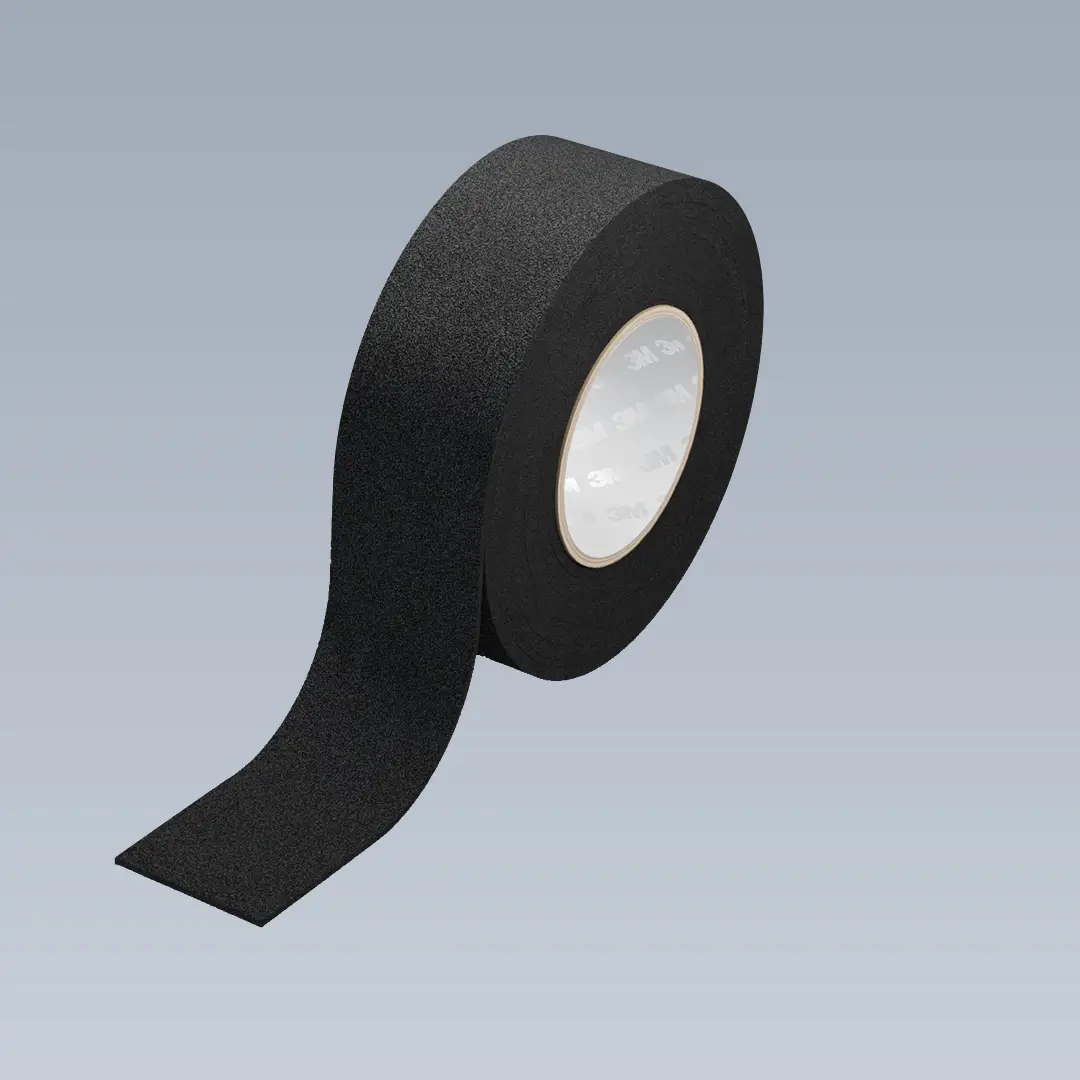
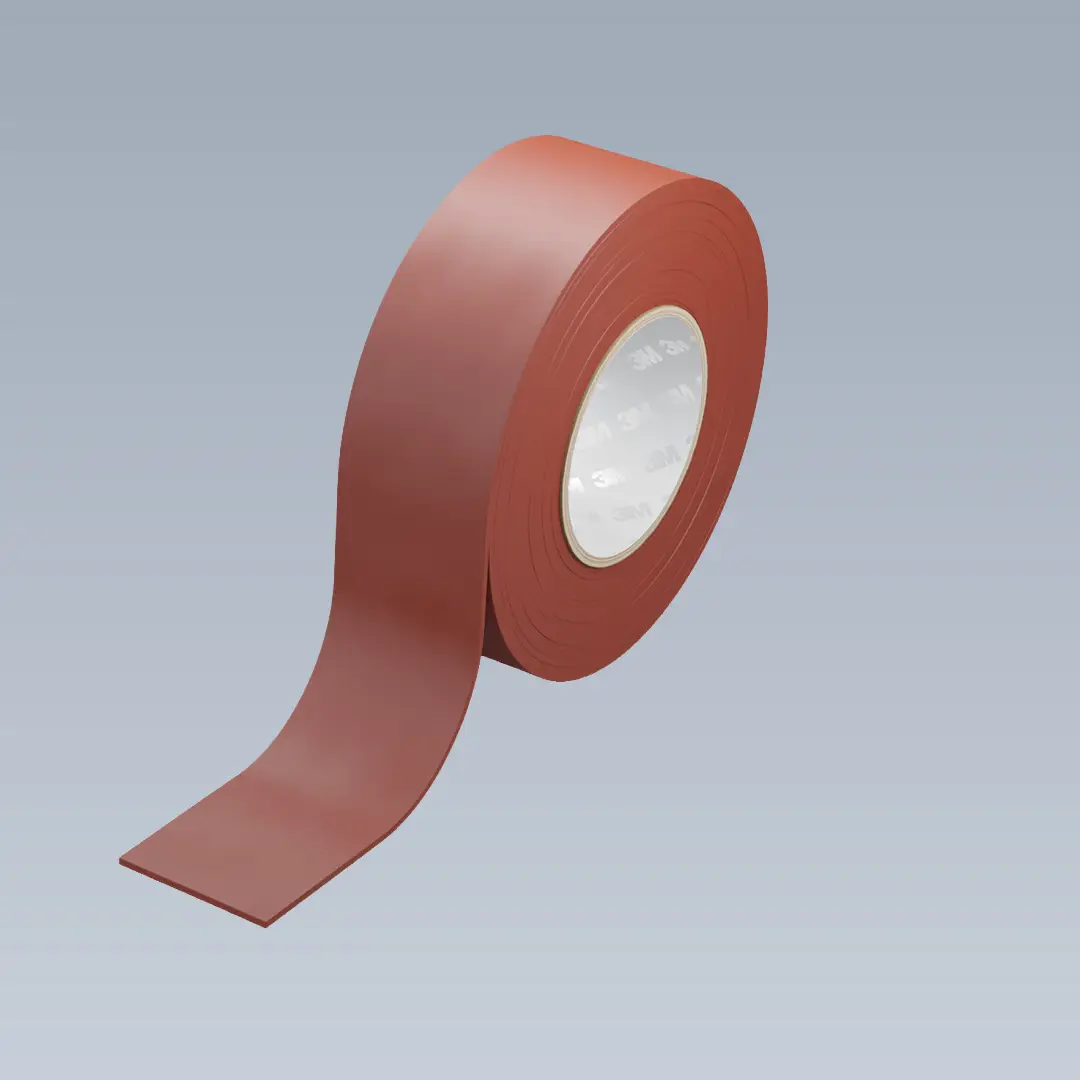
| Rubber | Custom materials |
| Cellular rubber | EPDM |
Please note: Due to material thickness and, in particular, hardness, not all rubber and EPDM qualities can be die-cut. Depending on the application, laser cutting can be a suitable alternative here.
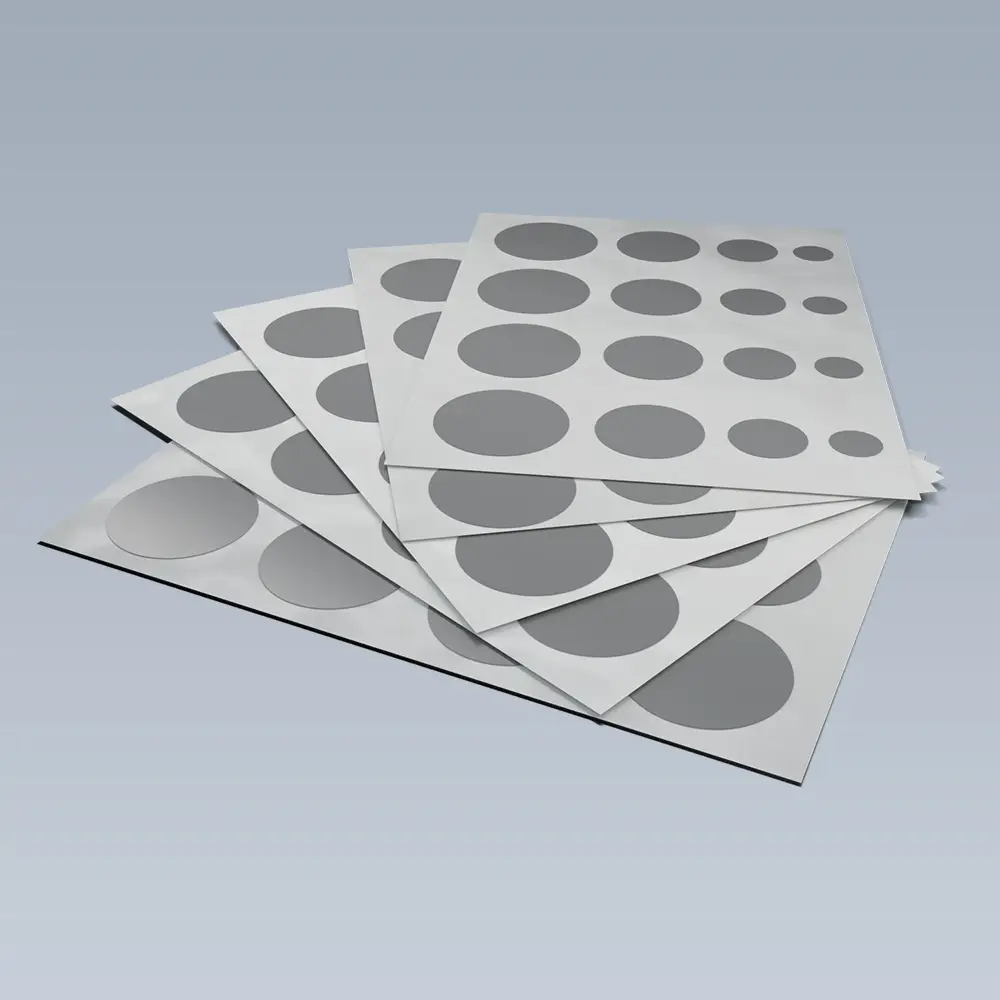
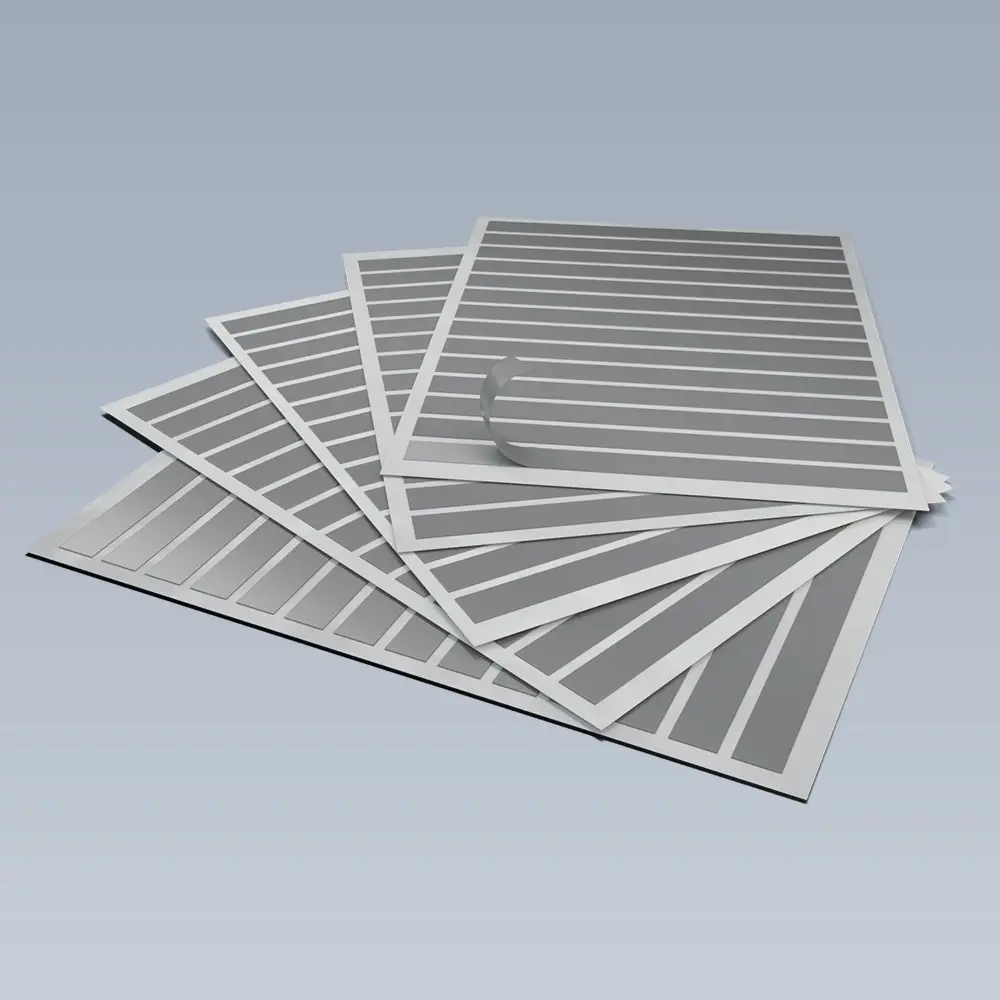
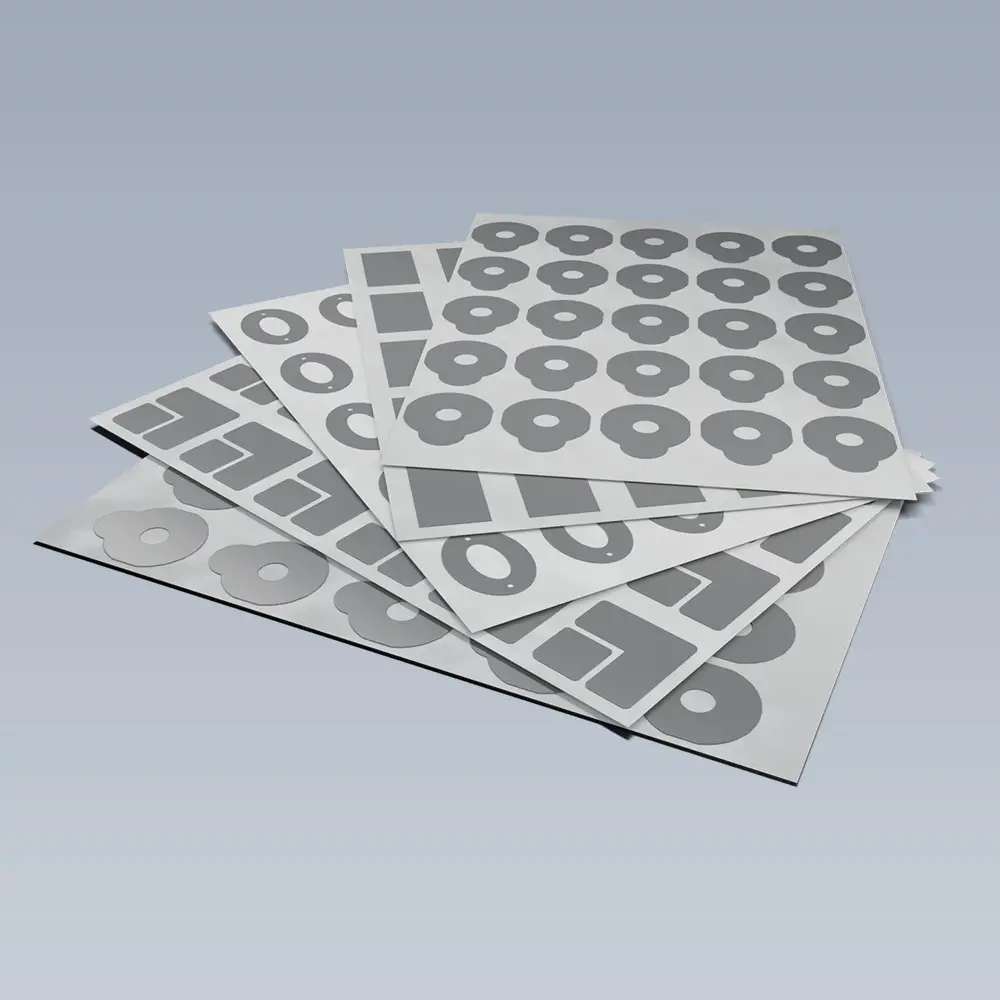
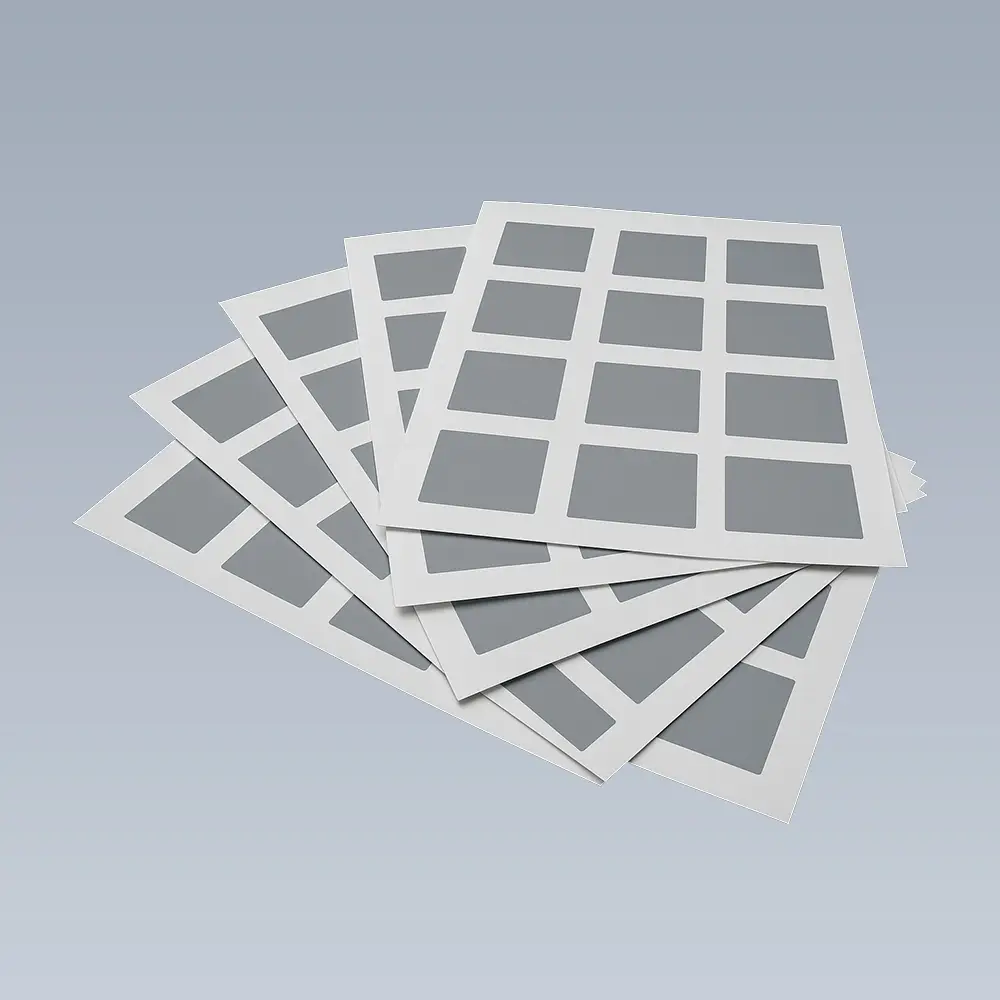
| Adhesive points | Custom diameters |
| Adhesive tapes | Custom dimensions |
| Custom adhesive die-cut parts | All 2D shapes |
| Adhesive pads & sheets | Custom dimensions |
| Carrier media | Roll stock & sheet stock | individual parts |
We primarily process the materials in a self-adhesive form. Depending on the material and the intended processing, non-adhesive punching may also be possible – this cannot be guaranteed.
Häufige Fragen zum Stanzen von Gummi
During Punching of double-sided adhesive foils, the two-sided adhesive film materials on both sides are contour-cut into precisely defined shapes—matched exactly to the component geometry and the assembly process.
This solution is particularly advantageous when:
- two substrates are to be permanently joined
- precise fits in the serial production process are required
- thin, nearly invisible adhesive bonds are desired
- assembly times should be reduced and processes automated
Punched adhesive foils enable a clean, reproducible, and assembly-ready solution.
Almost all market-standard double-sided systems can be processed, e.g.,:
- Double-sided transfer adhesive films (without carrier)
- Carrier-based adhesive films (e.g., PET carrier)
- Thin high-performance films for permanent bonding
- Foam-based double-sided systems
- Custom-laminated multilayer composites
Additionally, adjustments such as adhesive formulation changes, one- or two-sided modifications, or the replacement of the protective cover (paper or film liner) are possible.
The achievable precision depends on the material structure and the overall thickness.
Through modern punching technology as well as optical quality control, tight dimensional tolerances and high repeatability are possible – even for intricate contours, internal cutouts, or functional openings.
Depending on the application process, a range of finishing options is available:
- Loose individual parts
- On rolls (for automatic feeding)
- On sheets
- With finger lift or peel-off aid
- With defined non-adhesive areas
- With modified protective cover
- As an installation-ready, multi-layer composite solution
The configuration is tailored precisely to the intended assembly process – manual, semi-automatic, or fully automatic.
Cost efficiency is determined, among other factors, by:
- Film type and total thickness
- Type of adhesive (e.g., for low-energy substrates)
- Contour complexity
- Tooling effort
- Quantity
- Additional processes such as laminating, liner changes, or application aids
Modular manufacturing processes enable both prototypes and production runs to be produced cost-effectively.
To enable accurate costing, the following information is helpful:
- Technical drawing or die-cut contour
- Material specification or substrate details
- Overall thickness and the desired adhesive type
- Requirements for temperature, UV, or chemical resistance
- Desired delivery form
- Project or annual quantity
- Information about the application process
The more precise the information, the more efficiently the optimal adhesive solution can be developed.
Samples and pre-series can be produced on short notice.
Thanks to flexible stamping and converting processes, rapid test samples are possible – ideal for validations, pilot runs, or process optimizations.
Je nach Material, Kontur und Weiterverarbeitung können Gummistanzteile als Einzelteile, Bogenware oder Rollenware gefertigt werden. Die Seite nennt Trägermedien als Rollen- und Bogenware sowie Einzelteile. Bei selbstklebenden Varianten können zusätzlich Liner, Abziehhilfen oder definierte Trägermedien eingesetzt werden.
Für eine Anfrage sind Zeichnung oder Skizze, Materialtyp, Materialdicke, Shore-Härte, gewünschte Kontur, Stückzahl, Lieferform und Einsatzfunktion hilfreich. Zusätzlich sollte angegeben werden, ob das Gummiteil selbstklebend sein soll und ob besondere Anforderungen wie Dichtung, Schutz, Temperaturbeständigkeit, Medienkontakt oder Abriebfestigkeit bestehen.
Muster oder Kleinserien können je nach Materialverfügbarkeit und Machbarkeit geprüft werden. Besonders bei Gummi ist eine Vorprüfung sinnvoll, weil Härte, Dicke, Elastizität und Kontur stark beeinflussen, ob Stanzen wirtschaftlich und technisch geeignet ist.

Ihr Ansprechpartner
Thomas Klein
- Expert in custom adhesive solutions
- Project business 'adhesive technology'
- Over 20 years in the industry