Rubber laser cutting
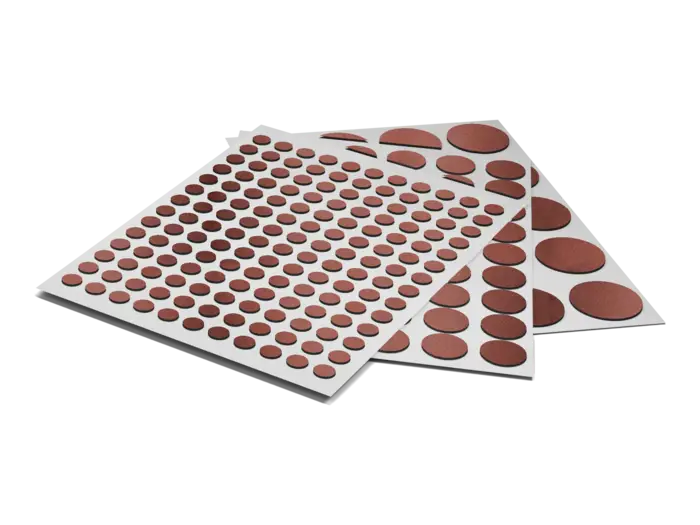
Laser cutting of rubber ensures precise contours for elastic materials – without burrs or tool changes. Krückemeyer uses laser technology for custom cuts from rubber and rubber-like materials.
Gummi lasern individuell
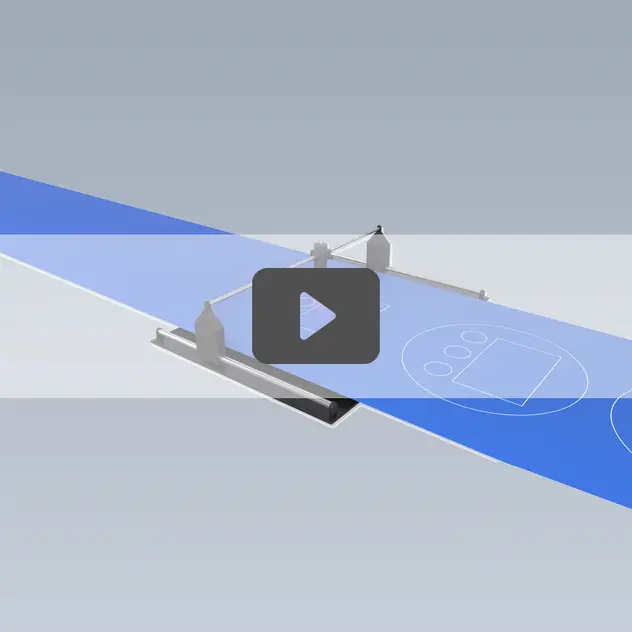
Laser area<\/strong><\/td>| 2,400 × 3,000 mm<\/span><\/td><\/tr> | Laser tolerances<\/strong><\/td> | ±0.1 mm<\/span><\/td><\/tr> | Material thicknesses<\/strong><\/td> | |
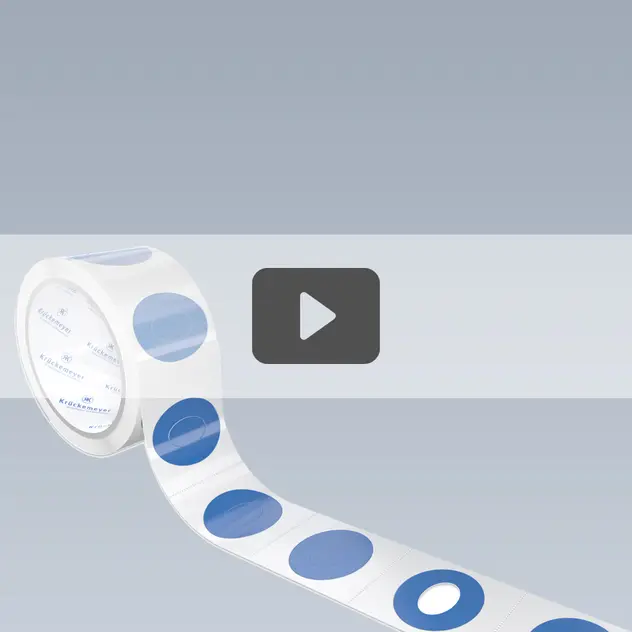
Technik<\/strong><\/td>| Layer-by-layer material removal<\/td><\/tr> | Feature I<\/strong><\/td> | Different shapes of various layers<\/td><\/tr> | Feature II<\/strong><\/td> | Internal laser perforations<\/td><\/tr> | Feature III<\/strong><\/td> | |
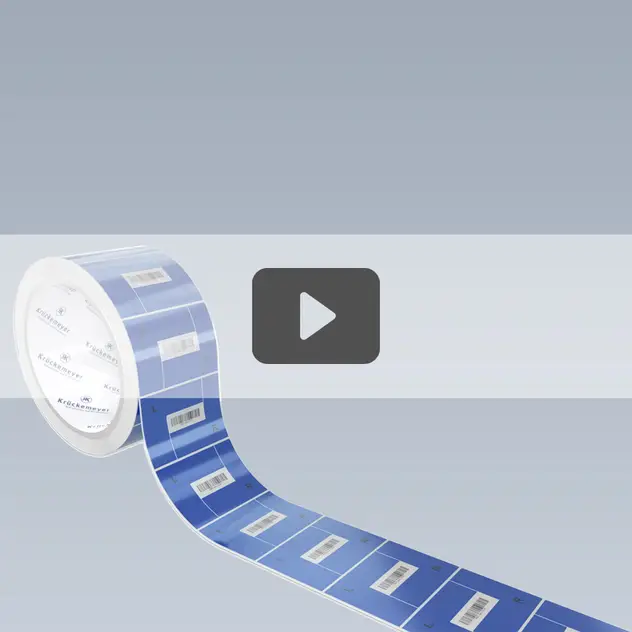
| Technique<\/td> | Perforation of the backing for manual detachment<\/td><\/tr> |
| Feature<\/td> |
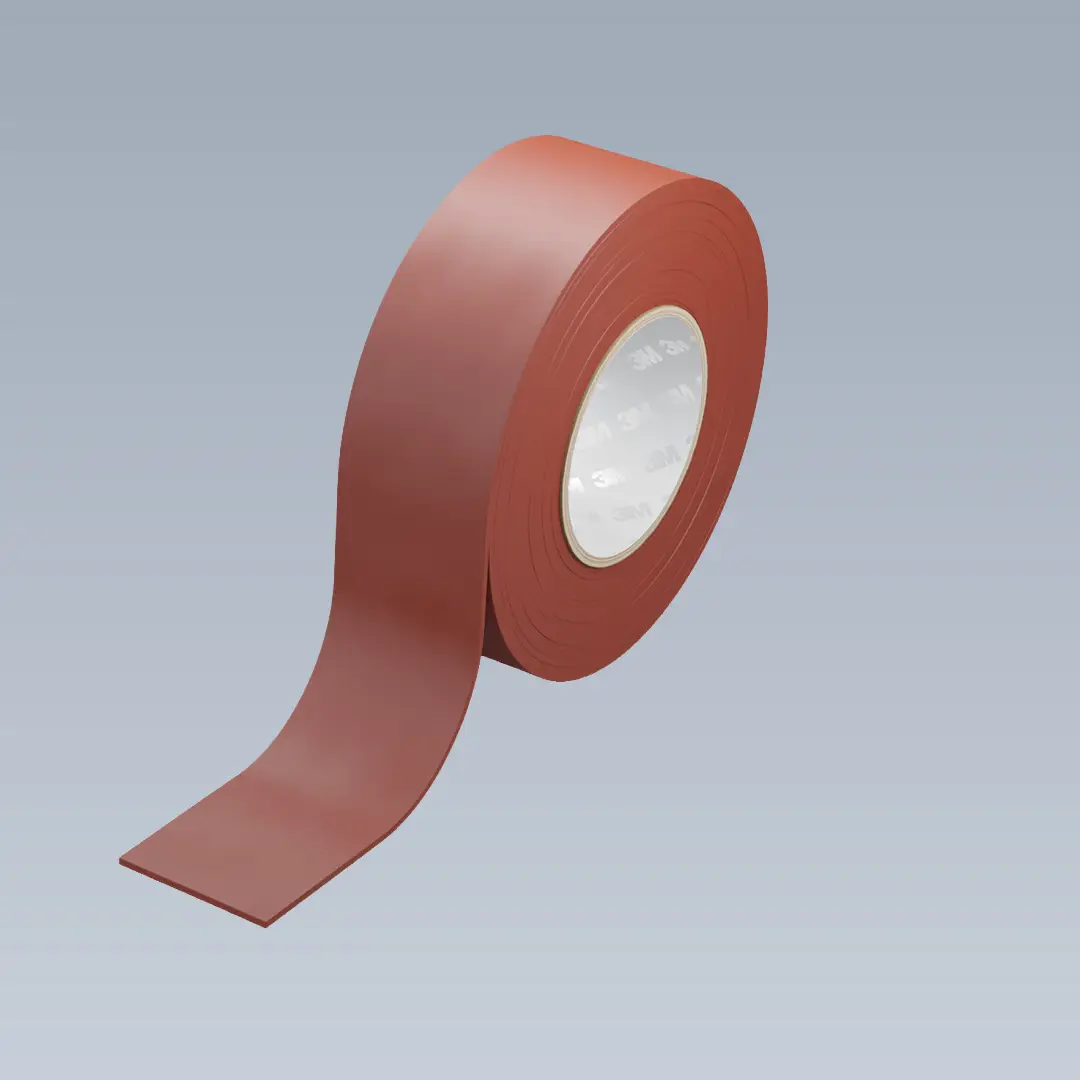
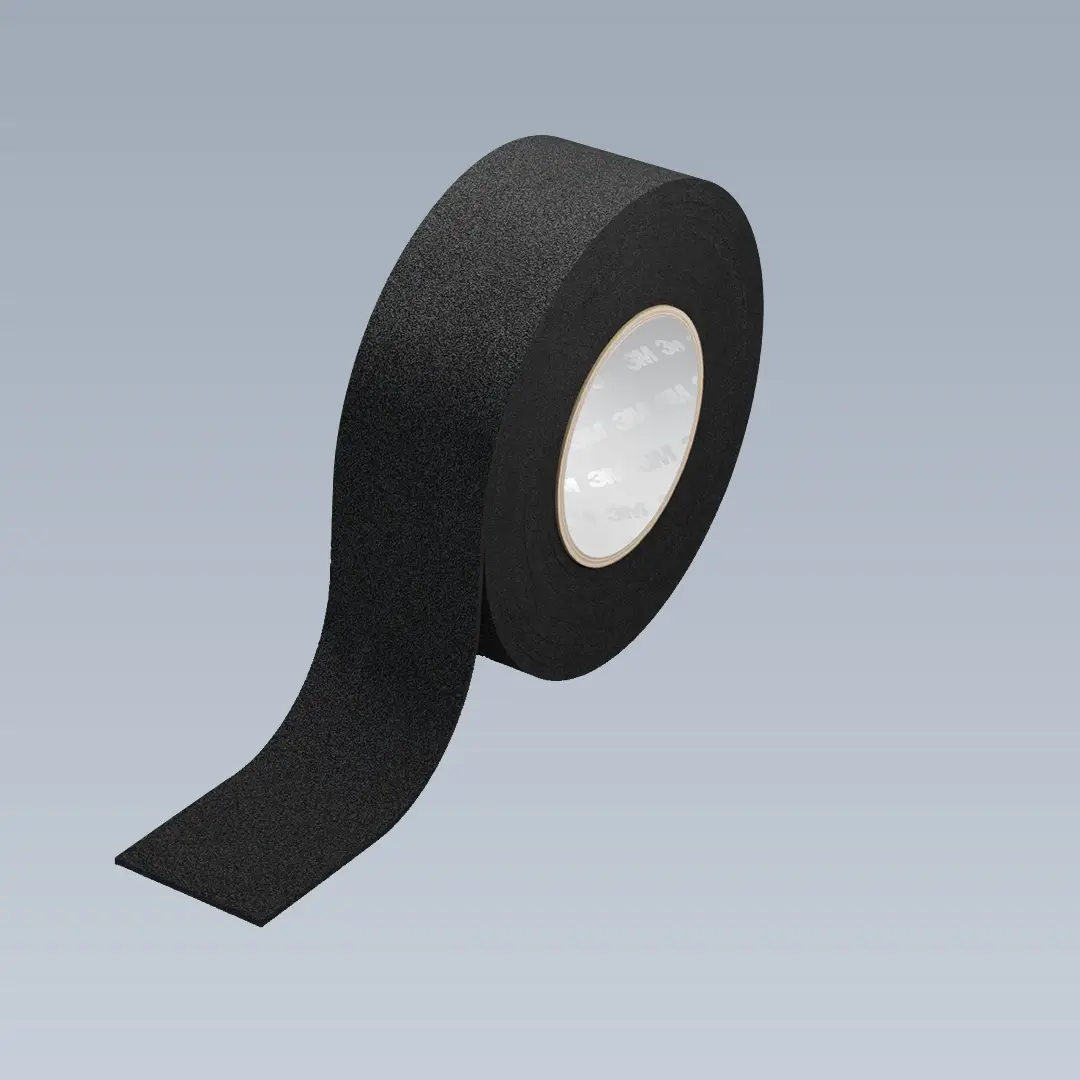
| Rubber | All cut- and wrapable types |
| EPDM | Cellular rubber | All cut- and wrapable types |
Rubber can generally be processed by laser up to a certain thickness – depending on material type, composition, and laser suitability.
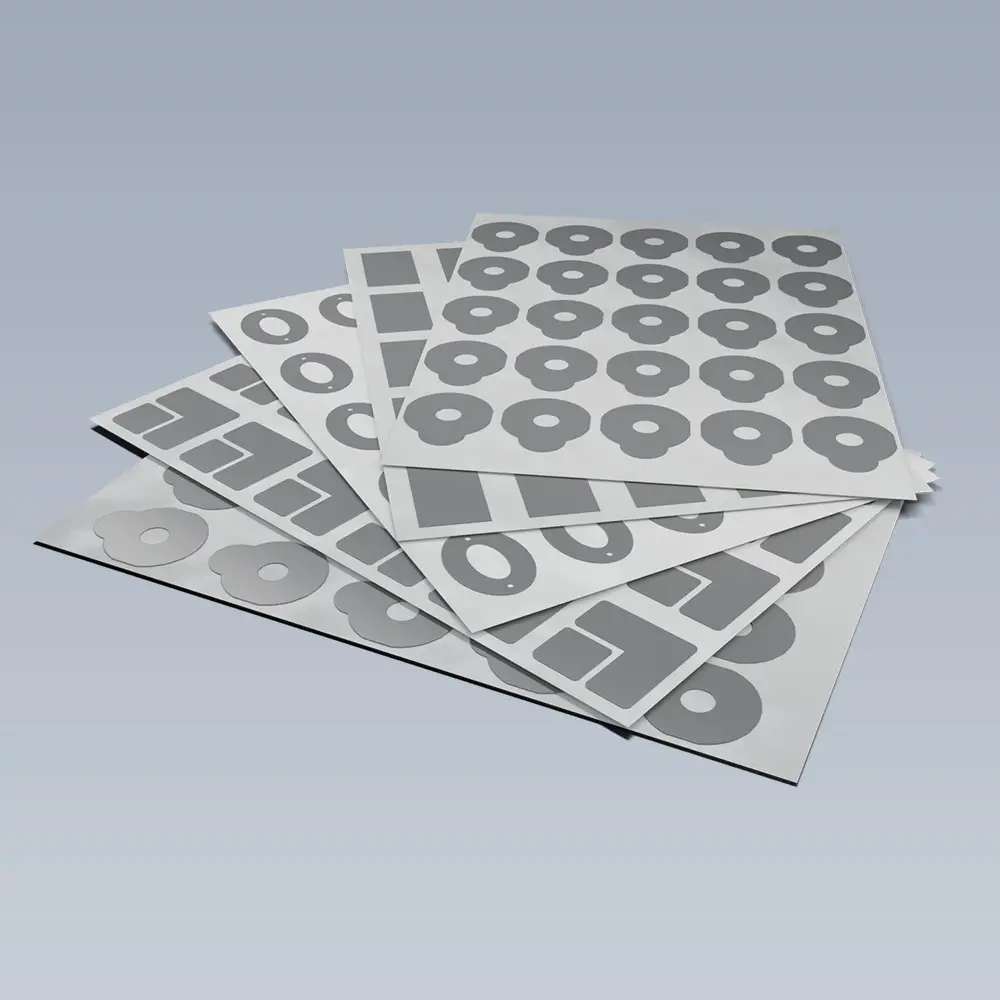
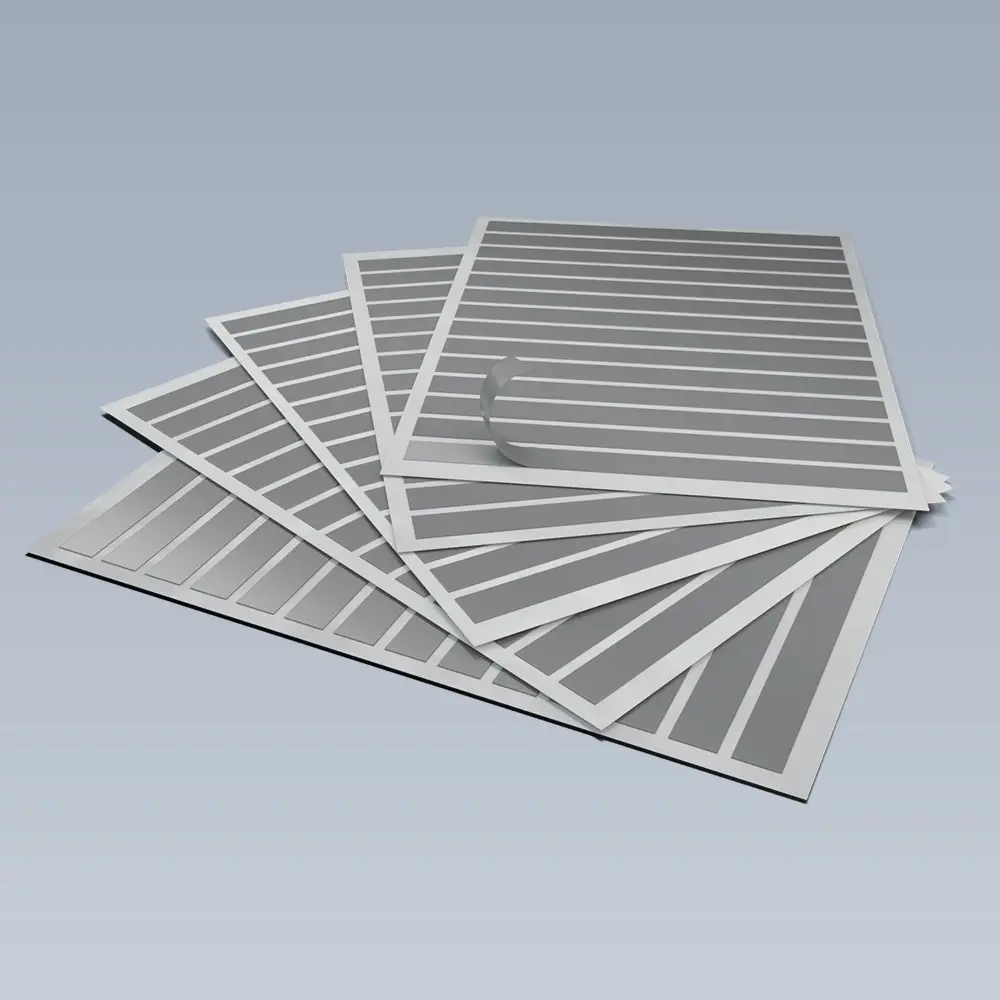
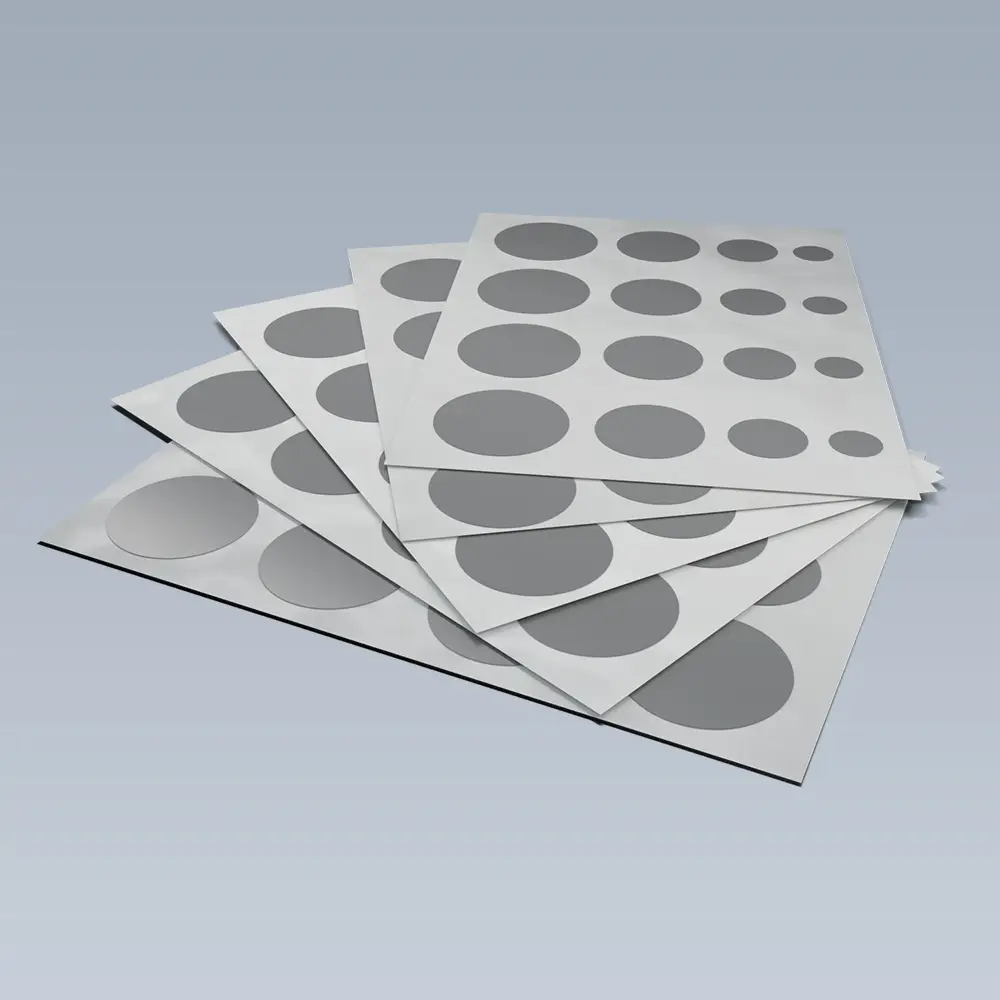
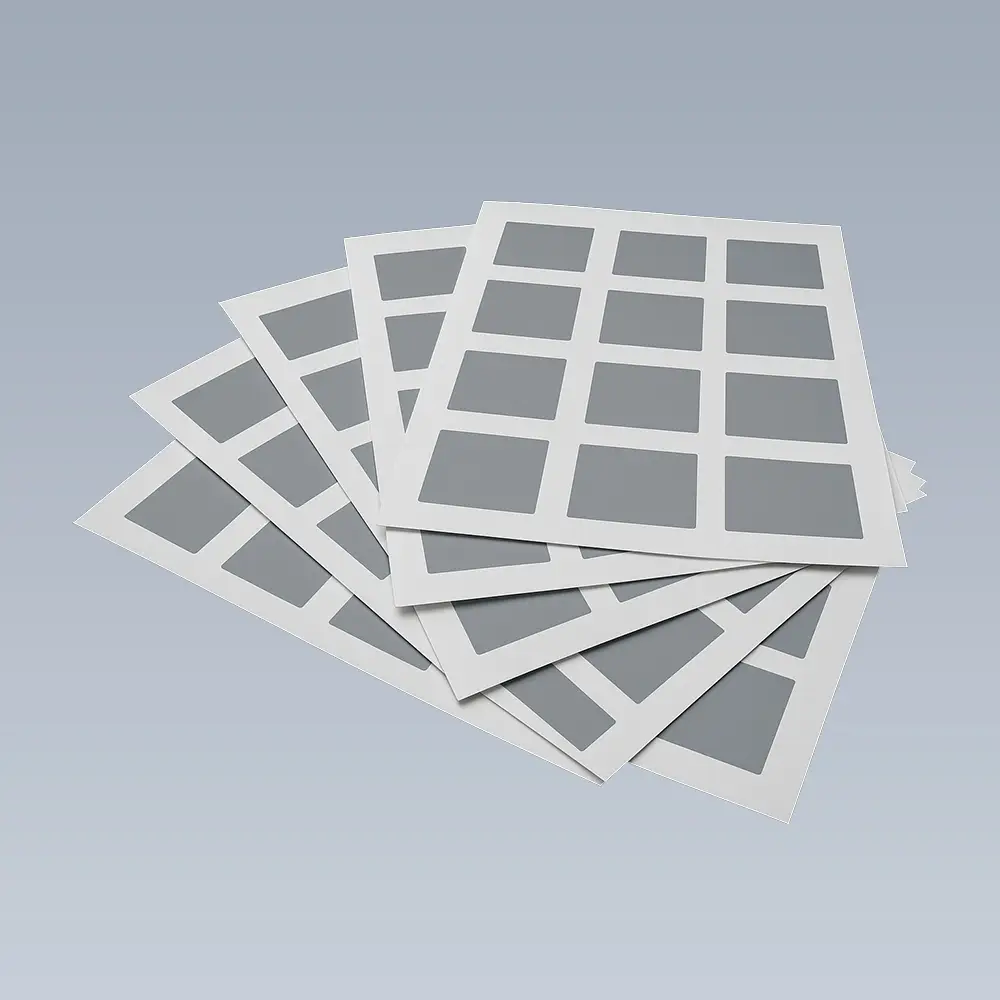
| Shapes | All 2D shapes |
| Strips | Custom dimensions |
| Dots | Custom diameters |
| Pads & Sheets | Custom dimensions |
When laser-processing rubber, you receive custom configurations on carrier material—precisely tailored to your application and your processing steps.
Häufige Fragen zum Lasern von Gummi-Materialien
In rubber laser cutting, elastomer materials are processed to contour-accurate shapes using a precisely controlled laser beam. Unlike punching, no mechanical tool is required – the geometry is realized directly from digital data.
The process is particularly suitable when:
- complex or intricate contours are required
- frequent design changes are planned
- small batches or prototypes are to be produced
- tight tolerances are required
- tooling costs should be avoided
Laser processing offers high flexibility and clean cut edges – especially for highly detailed geometries.
Depending on material type and composition, various elastomers can be processed, e.g.:
- EPDM
- NBR
- silicone
- cellular rubber
- thin rubber and elastomer sheets
- certain composite or laminated materials <\/ul>
The suitability depends on material thickness, thermal behavior, and the desired cut quality.
Pricing is largely determined by:
- Material type and thickness
- Contour complexity
- Cut length per part
- Quantity
- Data preparation (vector file required)
- Desired delivery form
Since no punching tool is required, tool costs are eliminated – at high volumes, however, an alternative process can be more economical.
There is usually no fixed minimum order quantity.
The laser processing method is particularly well suited for prototypes, small runs, or variable quantities. For larger runs, it is evaluated which manufacturing process is technically and economically optimal.
For a quick quote, the following information is helpful:
- Vector file (e.g., DXF or AI)
- Material specification or desired properties
- Material thickness
- Quantity
- Preferred delivery format
- Application information (e.g., seal, protection, damping)
Yes, sample parts and prototypes can be produced on short notice.<\/p>
This allows testing of fit, function, and mounting integration under real conditions prior to serial release.<\/p>

Ihr Ansprechpartner
Thomas Klein
- Expert for custom adhesive solutions
- Project business “adhesive technology”
- For over 20 years in the industry